Roche’s SBX technology just helped Broad Clinical Labs set a GUINNESS WORLD RECORD for the fastest DNA sequencing ever.
According to a recent press release, for laboratory leaders tracking the next wave of genomic innovation, Roche’s latest advancements in sequencing technology could signal a major shift in research capabilities. At the 2025 American Society of Human Genetics (ASHG) Annual Meeting, the company unveiled new data and collaborations around its Sequencing by Expansion (SBX) platform—a system designed to deliver faster, longer, and more flexible reads.
This technology’s growing adoption by research institutions suggests it could soon reshape how labs approach complex multiomic analysis, precision oncology, and translational research.
World Record Broken
A highlight of the 2025 ASHG Annual Meeting was the GUINNESS WORLD RECORD achievement by Broad Clinical Labs, which used SBX to complete the fastest human genome sequencing to date, processing a sample from DNA extraction to final variant call file in under four hours. This record, achieved in collaboration with Roche Sequencing Solutions and Boston Children’s Hospital, surpassed the previous mark of just over five hours, demonstrating SBX’s ability to deliver rapid, high-quality results.
Mark Kokoris, inventor of the SBX chemistry and head of SBX Technology at Roche commented, “Breaking the GUINNESS WORLD RECORD is a remarkable achievement.” (Photo credit: Roche)
Roche also announced a new collaboration with the Wellcome Sanger Institute, which will conduct multi-project evaluations of SBX across applications such as Bulk RNA sequencing, where longer reads and higher throughput could uncover complex features like spliced isoforms. This partnership adds to a growing network of collaborations that include the Hartwig Medical Foundation, Genentech, The University of Tokyo, and the Broad Institute, reflecting widespread scientific interest in applying SBX across diverse research domains.
Further innovations include progress in methylation mapping using SBX-Duplex, which reads both DNA strands simultaneously, paired with TET-assisted pyridine borane sequencing (TAPS) from Watchmaker Genomics. This workflow enhances accuracy in detecting DNA methylation and holds promise for applications such as liquid biopsy-based cancer detection and novel biomarker discovery.
In another collaboration, researchers at the University of Tokyo leveraged SBX’s speed and flexibility for spatial sequencing of lung cancer tissue, achieving roughly 15 billion reads in just one hour. Roche also presented a target enrichment method using the SBX-Simplex workflow, which employs Unique Molecular Identifiers (UMIs) to generate highly accurate reads from minimal input, an approach that could be particularly valuable in oncology research requiring deep sequencing coverage.
For diagnostics and research laboratories, Roche’s progress with SBX represents more than a technical milestone, it points to new operational opportunities. Potentially faster turnaround times, deeper insights across multiple molecular layers, and improved workflows could help labs expand their research portfolios and strengthen partnerships in precision medicine. As sequencing continues to evolve from discovery to real-world application, forward-thinking lab leaders will want to keep an eye on how SBX’s scalability and speed might redefine their own genomic testing strategies.
This article was created with the assistance of Generative AI and has undergone editorial review before publishing.
A UCLA microbiology lab used whole-genome sequencing to trace a carbapenem-resistant Pseudomonas outbreak to a single ICU sink, revealing how biofilm and plumbing can silently harbor superbugs.
A routine culture from an ICU patient at UCLA Health sparked an investigation that ultimately uncovered a silent, domestic outbreak of a highly resistant strain of Pseudomonas aeruginosa. The discovery was led by the Molecular Microbiology and Pathogen Genomics Laboratory and highlights the critical role clinical laboratories play in outbreak detection, antimicrobial resistance surveillance, and environmental tracking.
The initial isolate appeared typical: P. aeruginosa, a common hospital-associated pathogen. But further analysis revealed something more troubling, the presence of NDM-1 (New Delhi metallo-β-lactamase), an enzyme that breaks down carbapenems and other powerful beta-lactam antibiotics, rendering them ineffective.
“This was the first time we’d ever seen an NDM-1-producing Pseudomonas strain in our hospital—and in a patient with no international travel,” said Shangxin Yang, PhD, director of UCLA Health’s Molecular Microbiology and Pathogen Genomics Laboratory.
Shangxin Yang, PhD, director of UCLA Health’s Molecular Microbiology and Pathogen Genomics Laboratory noted, “While NDM-1 is prevalent in Asia, Europe and the Middle East, it remains rare in the United States. That’s when we knew this wasn’t imported. This was something domestic—and very concerning.” (Photo credit: UCLA)
Sporadic Cases, Elusive Source
Over the next 18 months, seven additional patients were identified with the same rare resistance pattern. The cases were sporadic—spread across time and units—and did not follow conventional outbreak patterns, complicating source identification.
In collaboration with UCLA Health’s infection prevention team, the lab launched a detailed investigation. Routine epidemiologic methods failed to identify commonalities between the cases. Shared equipment, staffing patterns, and care protocols were ruled out. With limited leads, the microbiology team turned to whole-genome sequencing (WGS).
Whole-Genome Sequencing Connects the Dots
WGS became the turning point. By sequencing all eight patient isolates and comparing them to environmental samples, Yang’s lab determined that seven of the eight clinical isolates and two environmental strains shared an almost identical genomic profile. Only one isolate, from a patient previously treated in Iran, was genetically distinct.
“Whole-genome sequencing gave us the clarity we needed,” said Yang. “It allowed us to move from hypothesis to high-resolution confirmation—pinpointing the genetic relatedness of these organisms with certainty.”
The team had uncovered a clonal outbreak of NDM-1-producing P. aeruginosa, likely stemming from a single environmental reservoir.
Unexpected Reservoir: An ICU Sink
During a third round of environmental testing, the lab isolated the same NDM-1-producing strain from a contaminated sink drain and P-trap in one ICU room. Notably, two of the eight patients had been admitted to that room more than a year apart.
The persistence of the organism was attributed to biofilm formation in the sink plumbing. Pseudomonas is known for forming robust biofilms that adhere to moist surfaces and resist standard disinfection methods.
“This wasn’t just about surface contamination,” said Yang. “This was a deeply embedded reservoir that conventional cleaning protocols couldn’t touch.”
Lab-Driven Response and Mitigation
Once the lab identified the environmental source, targeted interventions were put in place:
Weekly disinfection of ICU sinks using Virasept, a biofilm-effective agent
Plumbing replacement, including P-trap components known to harbor persistent biofilms
Engineering modifications to faucet angles to reduce splash-back and droplet spread
Expanded environmental surveillance to monitor other sinks for colonization
The lab continued to monitor the situation post-intervention, and no further cases of NDM-1-producing P. aeruginosa have been identified since the changes were implemented.
Lessons Learned
This case reinforces the value of whole-genome sequencing in resolving complex outbreaks, linking patient isolates to an environmental source that traditional methods missed. It highlights the need to include plumbing and other biofilm-prone areas in environmental sampling. Most importantly, it shows how microbiology labs through genomic, phenotypic, and molecular tools can lead outbreak investigations, especially when paired with strong cross-department collaboration.
“This is a clear example of the power of the clinical lab when genomic tools and environmental surveillance are used strategically,” said Yang. “Without WGS, this would have remained an unsolved mystery.”
Published in “Nature Genetics,” the global study finds a strong link between FOXP4 expression and long COVID, offering new hope for diagnostic development.
A global study has uncovered genetic variants linked to an increased risk of long COVID, marking an important step toward understanding the biology of the condition and laying early groundwork for future diagnostic tools.
The recent study, “Genome-wide association study of long COVID,” is published in Nature Genetics, and it identified a significant genetic association between long COVID and variants in the FOXP4 gene, which is known to influence lung function. Higher levels of FOXP4 expression were found in individuals with long COVID, and the risk associated with these variants was consistent across different ancestry groups. This supports the idea that lung-related immune responses play a major role in long COVID, though the condition also involves a wide range of symptoms such as fatigue and cognitive dysfunction.
Future Diagnostic Advancements
For laboratory professionals, the findings from this large-scale genetic study on long COVID represent an important step toward future diagnostic innovation grounded in molecular evidence. While the identified FOXP4 variants and associated immune-lung pathways are not yet predictive at the individual level, they offer valuable insight into the underlying biology of long COVID—insight that can inform the development of biomarker assays and future diagnostic tools. As research advances, lab teams will be essential in validating and implementing potential biomarkers, integrating genetic and proteomic data into routine workflows, and supporting interdisciplinary efforts to transition these discoveries from bench to bedside. Though clinically actionable tests may still be years away, the study underscores the evolving role of the clinical lab in decoding complex, post-viral syndromes through precision diagnostics and collaborative research.
Conducted by the Long COVID Host Genetics Initiative, the study analyzed data from 33 independent studies across 19 countries, involving nearly 16,000 individuals diagnosed with long COVID and about 1.9 million control participants. The research included diverse populations across six genetic ancestries, making it one of the most comprehensive efforts to date using a genome-wide association study (GWAS) approach.
Today’s Clinical Lab reported in 2024 that “As early as spring 2020, people who had survived COVID-19 began publicly sharing their ongoing symptoms and struggles to recover. Originally driven almost entirely by patients, researchers and clinicians eventually responded to the push to investigate these reports, ultimately publishing a study showing that only one in eight participants were symptom-free two months after infection. From that point, research into the post-viral condition, popularly termed ‘long COVID,’ accelerated—from 105 articles published on the topic in 2020 to nearly 5,000 in 2023.”
Studies Continue
In addition to identifying genetic risk factors, the researchers established a causal link between SARS-CoV-2 infection and the development of long COVID, particularly in cases involving severe illness that required hospitalization. The study also explored the overlap between long COVID-associated variants and those related to other diseases, suggesting that both genetic predisposition and environmental factors contribute to the risk of developing long COVID.
Hanna Ollila, PhD, a co-author of the study from the Institute for Molecular Medicine Finland and Massachusetts General Hospital, said, “The findings from our study, and from genome-wide association studies in general, tell about biological mechanisms behind a disease. This can then help to understand the disease better. For example, is it a disease neuronal, immune, metabolic, and so on?”
She also explained that developing a diagnostic test from these findings will take time, as the genetic variants identified don’t have the strong, direct impact seen in mutations like BRCA in breast cancer.
“In other words, they do not strongly predict whether someone will develop long COVID at the individual level. Instead, they highlight the biological systems involved in the disease. In this case, our findings point to immune pathways related to lung function,” Ollila noted.
The researchers reported that as larger sample sizes become available in future studies, the accuracy and depth of genetic analyses will improve. This could help scientists more clearly define the biological underpinnings of long COVID and identify specific biomarkers for diagnosis. Despite the progress made, Ollila commented it could still take a decade or more to develop clinically useful diagnostic tools based on these genetic insights.
Researchers expect their test to reduce diagnostic time in clinical settings and help identify carriers of the diseases
Clinical laboratories have always been at the forefront of helping families battle rare diseases. But such testing is sometimes invasive and expensive. Now there’s a new blood test that is minimally invasive and rapidly detects thousands of rare genetic diseases in infants and children using a mere 1ml of blood.
Developed at the University of Melbourne and Murdoch Children’s Research Institute in Australia, the test rapidly detects abnormalities using proteomics to simultaneously analyze the pathogenicity of thousands of gene mutations that cause rare genetic illnesses.
The single-drop blood test sequences proteins present in the genes rather than the genes themselves to discover how genetic changes within those proteins affect function and lead to disease. According to the scientists, the test is cost-effective, potentially eradicates the need for other functional tests, and may be applicable to thousands of different diseases. Results of the test are typically available within three days, providing patients with earlier access to any available treatments.
“A recent study carried out in collaboration with the Melbourne School of Population and Global Health revealed that implementing our test in a clinical setting would have a similar cost to that of the current test used to diagnose rare mitochondrial disease, with the advantage that our test can potentially diagnose thousands of other diseases,” said the study’s co-author, Daniella Hock, PhD, a research fellow in clinical proteomics in the department of biochemistry and pharmacology at the University of Melbourne, in a news release.
“Our new test can identify more than 8,000 proteins in peripheral blood mononuclear cells covering more than 50% of known Mendelian and mitochondrial disease genes, as well as enable us to discover new disease genes,” said Daniella Hock, PhD, research fellow in clinical proteomics, department of biochemistry and pharmacology at the University of Melbourne, in the news release. (Photo copyright: Mito Foundation.)
Identifying Disease Carriers
The researchers also performed blood analysis on the parents to help identify the carriers of genetic illnesses and possibly develop reproductive methods to avoid the occurrence of those diseases in future pregnancies.
“When the test is also performed on blood samples from parents we call it trio analysis. In recessively inherited conditions, this helps considerably in differentiating between carriers, who only have one copy of the defective gene, and the affected individual, who carries two copies,” Hock said. “Moreover, the use of familial samples for trio analysis greatly improves the differentiation between carrier and affected individuals with higher confidence, and that has exceeded our initial expectations. We believe that the use of this test in clinical practice will bring considerable benefits to patients, their families, and healthcare systems by reducing the diagnostic time.”
Getting the Right Diagnosis
There are more than 7,000 types of categorized rare diseases which affect approximately 300 to 400 million people worldwide. These diseases are caused by genetic mutations that exist in more than 5,000 known genes. The new test focuses on rare genetic illnesses known as monogenetic disorders, such as cystic fibrosis and mitochondrial disease, that are caused by a single gene alteration or mutation.
According to the National Organization for Rare Disorders, 25 to 30 million Americans are living with a rare disorder. A condition is categorized as rare if it affects less than 200,000 individuals.
Global Genes states on its website that 400 million people worldwide suffer from a rare disease and half of those diagnosed are children. It also states that 80% of those diseases are genetic and 95% of rare diseases lack a treatment approved by the US Food and Drug Administration.
“One of the hardest things for patients with rare diseases is getting the right diagnosis,” said Sharon Barr, PhD, executive vice-president of biopharmaceuticals research and development at AstraZeneca Rare Disease, in an interview with STAT News.
On average, it takes about five years to accurately diagnose a rare disease patient. During that period, that patient sees various specialists, undergoes difficult tests, and potentially faces the wrong diagnosis, Barr said.
Initial results stemming from the new clinical laboratory test are encouraging, but more research and clinical trials are needed before the test can be used on a widespread level.
Ten children have already been diagnosed with cancer; 13 others carry gene requiring lifelong testing
Shocking news about a single sperm donor’s shared gene mutation has shed light on shortfalls in preventative clinical laboratory genetic screening.
The otherwise-healthy donor’s sperm has already led to various cancer diagnoses for 10 of the children he fathered, including Hodgkin lymphoma and brain tumors, CNN reported.
“Unlike in some cases of serial sperm donors, such as a Dutch man who was ordered to stop donating sperm after being found to have fathered between 500 and 600 children around the world, this man only donated to a single private sperm bank in Denmark named the European Sperm Bank,” CNN reported.
Though it may be an anomaly, this occurrence has generated calls for increased regulation on the use of donated sperm.
“At the heart of the problem seems to lie the regulation, or maybe the lack of regulation, of the number of births by a single donor,” said Edwige Kasper, PhD, oncogenetic biologist at Rouen University Hospital in France, at the annual conference of the European Society of Human Genetics in Milan, Italy, CNN reported. (Photo copyright: LinkedIn.)
Limits to Genetic Screening
“Preventative genetic screening is reaching its limits here,” Julie Paulli Budtz, vice-president of corporate communications at the European Sperm Bank, told CNN. Budtz noted that in this case, the donor was tested even above traditional standards.
“Every human being has about 20,000 genes, and it is scientifically simply not possible to detect disease-causing mutations in a person’s gene pool if you don’t know what you are looking for,” she told CNN.
At least in this situation, the need for improvement is evident and will likely inspire continued research and development in the genetic testing capabilities.
“The fact that the case in point is very rare does not mean that it will not reoccur,” Kasper noted in the ESHG press release.
Calls for Increased Regulation of Sperm Donations
At the European Society of Human Genetics (ESHG) annual conference in May, Edwige Kasper, PhD, an oncogenetic biologist and specialist in genetic predisposition to cancer at Rouen University Hospital in France, explained how one European man’s sperm donations spanning from 2008-2015 resulted in the birth of 67 children, 23 of whom have already been impacted by his cancer-causing genetic mutation, CNN reported.
“We need proper regulation at European level to try to prevent it happening again, and to implement measures to ensure a worldwide limit on the number of offspring conceived from the same donor,” she noted.
ESHG’s press release describes Li-Fraumeni as “one of the most severe inherited predispositions to cancer that is characterized by a broad spectrum of tumors at an early age.”
Additional Case Details
In addition to the 10 children with cancer diagnoses, another 13 he fathered are currently cancer-free but carry the gene, which now subjects them to invasive life-long testing including whole-body MRI scans to clinical exams and scans of the brain, breast, and abdomen, CNN noted.
“[The procedure is] heavy and stressful for carriers, but we have seen its effectiveness in that it has enabled early detection of tumors and thus improved patients’ chances of survival,” Kasper said in the ESHG press release.
The offspring of these 10 children will have a 50% greater chance of receiving the gene as well, CNN added.
Clinical laboratory genetic testing labs and telemedicine groups among those charged
In the largest healthcare fraud bust in US history, the US Department of Justice (DOJ) announced it had levied criminal charges against 324 defendants for allegedly participating in various fraudulent healthcare schemes—including clinical laboratory genetic testing and telemedicine fraud—totaling over $14.6 billion in losses.
A DOJ press release states the agency’s 2025 National Health Care Fraud Takedown represents an unprecedented effort to alleviate fraud in healthcare that exploits patients and taxpayers.
The defendants include 96 doctors, nurse practitioners, pharmacists, and other licensed medical professionals. The cases are being prosecuted by Health Care Fraud Strike Force teams from the Criminal Division’s Fraud Section, 50 US Attorneys’ Offices, and 12 State Attorneys’ General Offices.
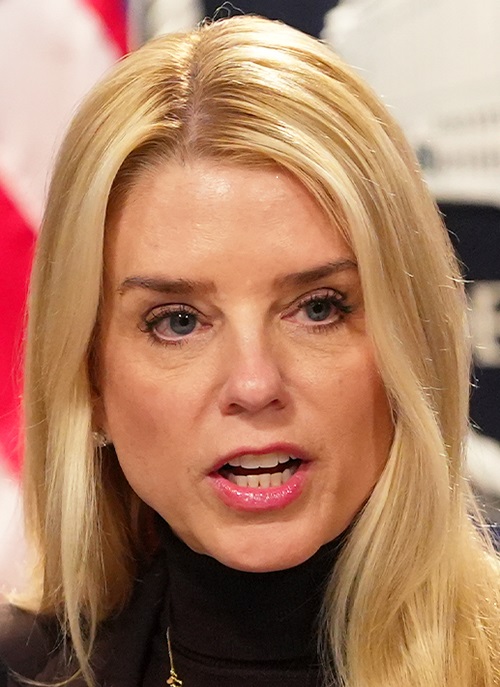
“This record-setting Health Care Fraud Takedown delivers justice to criminal actors who prey upon our most vulnerable citizens and steal from hardworking American taxpayers,” said Attorney General Pam Bondi in the press release. (Photo copyright: US Department of Justice.)
49 Clinical Lab Defendants Charged
The takedown relied on coordinated investigations from several agencies, including the:
Health Care Fraud Unit of the DOJ Criminal Division’s Fraud Section,
Department of Health and Human Services Office of Inspector General,
Federal Bureau of Investigation,
Drug Enforcement Administration, and,
Multiple US Attorneys’ Offices.
Clinical laboratory testing fraud was addressed in the takedown. Forty-nine defendants were charged with telemedicine and genetic testing fraud schemes where deceptive telemarketing campaigns targeted Medicare beneficiaries, resulting in $46 million in fraudulent claims being submitted to Medicare for durable medical equipment (DME), genetic tests, and COVID-19 tests.
“Make no mistake—this administration will not tolerate criminals who line their pockets with taxpayer dollars while endangering the health and safety of our communities,” said Attorney General Pam Bondi in the press release.
Other High-Profile Cases
The most prominent cases include a $10 billion urinary catheter scheme where foreign straw owners secretly purchased medical supply companies and then used stolen identities and personal health data of more than one million Americans to file erroneous Medicare claims. Known as Operation Gold Rush, the hoax resulted in the arrests of nineteen defendants, including four in Estonia and seven individuals attempting to avoid capture at US airports and at the Mexican border.
In another case involving foreign influence, owners and executives in Pakistan were charged in connection with a $703 million scheme where artificial intelligence (AI) was allegedly used to create fake recordings of Medicare recipients consenting to receive various products. The data was then sold to clinical laboratories and DME companies to fraudulently submit false claims to Medicare. In addition, some of these defendants allegedly conspired to conceal and launder proceeds from US bank accounts to overseas bank accounts.
Also, a defendant who owned a billing company allegedly planned a sham in which Arizona Medicaid was fraudulently billed $650 million for addiction treatment programs where services were never rendered or patients received substandard care. The defendant, who is based in Pakistan and the United Arab Emirates, supposedly received at least $25 million from the scheme and is also charged with a money laundering offense.
“It’s not done by small time operators,” said Mehmet Oz, MD, who leads the Centers for Medicare and Medicaid Services (CMS). “These are organized syndicates who are designing to hurt America.”
Other notable cases include a scam involving $1.1 billion in fraudulent claims for unnecessary amniotic wound allografts for elderly patients resulting in defendants receiving millions in illegal kickbacks. In another scheme, 74 defendants were charged with the illegal distribution of prescription opioids and other controlled substances.
DOJ Property Seizures
As a result of the fraud bust, the US government seized over $245 million in cash, luxury vehicles, cryptocurrency, and other assets and prevented an additional $4 billion from being paid out by CMS due to false and fraudulent claims.
“These criminals didn’t just steal someone else’s money. They stole from you,” Matthew Galeotti, JD, who leads the DOJ Criminal Division, told the Associated Press. “Every fraudulent claim, every fake billing, every kickback scheme represents money taken directly from the pockets of American taxpayers who fund these essential programs through their hard work and sacrifice.”
This latest bust demonstrates the DOJ’s increased resolve to pursue healthcare fraud, including cases involving clinical laboratory testing. Look for further coverage of this aspect in the 7-14-2025 issue of The Dark Report.