Initially thought to be an attack by a nation-state, actual culprit turned out to be a known ransomware group and each day brings new revelations about the cyberattack
Fallout continues from cyberattack on Change Healthcare, the revenue cycle management (RCM) company that is a business unit of Optum, itself a division of UnitedHealth Group. Recent news accounts say providers are losing an estimated $100 million per day because they cannot submit claims to Change Healthcare nor receive reimbursement for these claims.
The cyberattack took place on February 21. The following day, UnitedHealth Group filed a Material Cybersecurity Incidents report (form 8-K) with the US Securities and Exchange Commission (SEC) in which it stated it had “identified a suspected nation-state associated cybersecurity threat actor [that] had gained access to some of the Change Healthcare information technology systems.”
A few days later the real identity of the threat actor was revealed to be a ransomware group known as “BlackCat” or “ALPHV,” according to Reuters.
Change Healthcare of Nashville, Tenn., is “one of the largest commercial prescription processors in the US,” Healthcare Dive reported, adding that hospitals, pharmacies, and military facilities had difficulty transmitting prescriptions “as a result of the outage.”
Change Healthcare handles about 15 billion payments each year.
According to a Change Healthcare statement, the company “became aware of the outside threat” and “took immediate action to disconnect Change Healthcare’s systems to prevent further impact.”
Change Healthcare has provided a website where parties that have been affected by the cyberattack can find assistance and updated information on Change’s response to the intrusion and theft of its data.
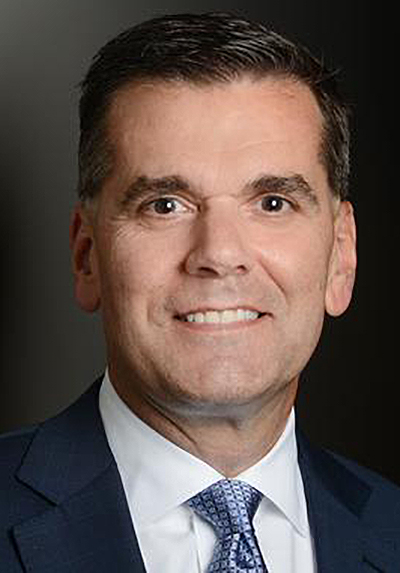
“The fallout is only starting to happen now. It will get worse for consumers,” Andrew Newman (above), founder and Chief Technology Officer, ReasonLabs, told FOX Business, adding, “We know that the likely destination for [the Change Healthcare] data is the Dark Web, where BlackCat will auction it all off to the highest bidder. From there, consumers could expect to suffer from things like identity theft, credit score downgrades, and more.” Clinical laboratories are also targets of cyberattacks due to the large amount of private patient data stored on their laboratory information systems. (Photo copyright: ReasonLabs.)
Millions of Records May be in Wrong Hands
Reuters reported that ALPHV/BlackCat admitted it “stole millions of sensitive records, including medical insurance and health data from the company.”
The ransomware group has been focusing its attacks on healthcare with 70 incidents since December, according to federal agencies.
In a letter to HHS, AHA warned, “Change Healthcare’s downed systems will have an immediate adverse impact on hospital finances. … Their interrupted technology controls providers’ ability to process claims for payment, patient billing, and patient cost estimation services.”
“My understanding is Change/Optum touches almost every hospital in the US in one way or another,” John Riggi, AHA’s National Advisor for Cybersecurity and Risk, told Chief Healthcare Executive. “It has sector wide impact in potential risk. So, really, this is an attack on the entire sector.” Riggi spent nearly 30 years with the FBI.
Some physician practices may also have been impacted by the Change Healthcare cyberattack, according to the Medical Group Management Association (MGMA). In a letter to HHS, MGMA described negative changes in processes at doctors’ offices. They include delays in paper and electronic statements “for the duration of the outage.”
In addition, “prescriptions are being called into pharmacies instead of being electronically sent, so patients’ insurance information cannot be verified by pharmacies, and [the patients] are forced to self-pay or go without necessary medication.”
Here are “just a few of the consequences medical groups have felt” since the Change Healthcare cyberattack, according to the MGMA:
Substantial billing and cash flow disruptions, such as a lack of electronic claims processing. Both paper and electronic statements have been delayed. Some groups have been without any outgoing charges or incoming payments for the duration of the outage.
Limited or no electronic remittance advice from health plans. Groups are having to manually pull and post from payer portals.
Prior authorization submissions have been rejected or have not been transmittable at all. This further exacerbates what is routinely ranked the number one regulatory burden by medical groups and jeopardizes patient care.
Groups have been unable to perform eligibility checks for patients.
Many electronic prescriptions have not been transmitted, resulting in call-in prescriptions to pharmacies or paper prescriptions for patients. Subsequently, patients’ insurance information cannot be verified by pharmacies, and they are forced to self-pay or go without necessary medication.
Lack of connectivity to important data infrastructure needed for success in value-based care arrangements, and other health information technology disruptions.
Medical laboratory leaders and pathologists are advised to consult with their colleagues in IT and cybersecurity on how to best prevent ransomware attacks. Labs hold vast amount of private patient information. Recent incidents suggest more steps and strategies may be needed to protect laboratory information systems and patient data.
While consolidation is a common trend across many sectors—including anatomic pathology groups and hospital systems—UnitedHealth Group is the latest example of the payer-provider consolidation trend impacting medical laboratories nationwide
Pending the successful completion of a $4.9-billion acquisition of DaVita Medical Group, UnitedHealth Group (UNH) will be poised to become the largest single employer of doctors in the U.S., according to numbers reported by leading sources.
Clinical laboratories, anatomic pathology groups, and other service providers that service those doctors should already be taking a serious look at their revenue flows and efficiencies to maintain margins and weather the shift into a model of value-based reimbursement.
Controlling Costs with Direct Care
According to a press release, UnitedHealth Group’s (NYSE:UNH) direct-to-patient healthcare subsidiary, OptumCare, currently employs or is affiliated with 30,000 physicians. And, DaVita Medical Group, a subsidiary of DaVita Inc. (NYSA:DVA), lists 13,000 affiliated physicians on their website. Should acquisition of DaVita Medical Group go forward, OptumCare would have approximately 43,000 affiliated or employed physicians—roughly 5,000 more physicians than HCA Healthcare and nearly double Kaiser Permanente’s 22,080 physicians—thus, making OptumCare’s parent company UNH the largest individual employer of physicians in the U.S. The acquisition is reportedly to reinforce UNH’s ability to control costs and manage the care experience by acquiring office-based physicians to provide services.
OptumCare has seen significant growth over the past decade. OptumHealth, one of three segments of UNH’s overall Optum healthcare subsidiary, includes OptumCare medical groups and IPAs, MedExpress urgent care, Surgical Care Affiliates ambulatory surgery centers, HouseCalls home visits, behavioral health, care management, and Rally Health wellness and digital consumer engagement.
“We have been slowly, steadily, methodically aligning and partnering with phenomenal medical groups who choose to join us,” Andrew Hayek, CEO of OptumHealth (above), told Bloomberg. “The shift towards value-based care and enabling medical groups to make that transition to value-based care is an important trend.” (Photo copyright: Becker’s ASC Review.)
Acquisitions of Doctors on the Rise; Clinical Lab Revenues Threatened
Independent physicians and practices have been a hot commodity in recent years. A March 2018 study from Avalere Health in collaboration with the Physicians Advocacy Institute (PAI) showed that the number of physicians employed by hospitals rose from 26% in July 2012 to 42% in 2016—a rise of 16% over four years.
By acquiring physicians of their own, insurance companies like UnitedHealth Group believe they can offset the cost and shifts in service of these prior trends. “We’re in an arms race with hospital systems,” John Gorman of Gorman Health Group told Bloomberg. “The goal is to better control the means of production in their key markets.”
According to Modern Healthcare, the acquisition of DaVita Medical Group is UnitedHealth’s third such acquisition in 2017. Other acquisitions include:
Advisory Board, a healthcare consulting firm, for $2.3-billion in November.
Along with Surgical Care Affiliates came a chain of surgery centers that, according to The New York Times (NYT), OptumCare plans to use to perform approximately one million surgeries and other outpatient procedures this year alone, while reducing expenses for outpatient surgeries by more than 50%.
NYT also noted that acquisition of DaVita Medical Group doesn’t bring just physicians under the OptumCare umbrella, but also nearly 250 MedExpress urgent care locations across the country.
By having physicians, clinical laboratories, outpatient surgery centers, and urgent care centers within their own networks, insurance providers then can steer patients toward the lowest-cost options within their networks and away from more expensive hospitals. This could mean less demand on independent clinical laboratories and hospitals and, with that, reduced cash flows.
According to NYT, Optum currently works with more than 80 health plans. However, mergers such these—including those between CVS Health (NYSE:CVS) and Aetna (NYSE:AET), and the proposed agreement between Humana (NYSE:HUM) and Walmart (NYSE:WMT) to deliver healthcare in the retailers’ stores—indicate that insurers are seeking ways to offer care in locations consumers find most accessible, while also working to exert influence on who patients seek out, to generate cost advantages for the insurers.
This consolidation should concern hospitals as payers increasingly draw physicians from them, potentially also taking away their patients. The impact, however, may also reach independent medical laboratories, medical imaging centers, anatomic pathology groups, and other healthcare service providers that provide diagnoses and treatments in today’s complex healthcare system.
Deep Payer Pockets Mean Fewer Patients for Clinical Labs and Medical Groups
As this trend continues, it could gain momentum and potentially funnel more patients toward similar setups. Major corporations have deeper pockets to advertise their physicians, medical laboratories, and other service providers—or to raise public awareness and improve reputations. Such support might be harder to justify for independent healthcare providers and medical facilities with shrinking budgets and margins in the face of healthcare reform.
Shawn Purifoy, MD, a family medicine practitioner in Malvern, Ark., expressed his concern succinctly in The New York Times. “I can’t advertise on NBC [but] CVS can,” he noted.
While further consolidation within independent clinical laboratories and hospitals might help to fend off this latest trend, it remains essential that medical laboratories and other service providers continue to optimize efficiency and educate both physicians and payers on the value of their services—particularly those services offered at higher margins or common to menus across a range of service providers.
Clinical laboratories will want to develop value-based lab testing services as the nation’s largest health insurers prepare to engage with Medicare Advantage patients in record numbers
UnitedHealth Group (UNH), the nation’s largest health insurer, forecasts wildly impressive growth of Medicare Advantage plans and value-based care. If this happens, it would further shrink the proportion of fee-for-service payments to providers, including medical laboratories.
Switching to a value-based care reimbursement system, administered through Medicare Quality Payment Programs (QPPs), is one of the more disruptive changes to hit physicians, including pathologists. And, given UnitedHealthcare’s predictions, healthcare system adoption of QPPs will likely accelerate and continue to impact clinical laboratory revenue.
“Within 10 years, we expect half of all Americans will be receiving their healthcare from physicians operating in highly evolved and coordinated value-based care designs,” stated David Wichmann, CEO, UnitedHealth Group (NYSE:UNH), during the company’s second-quarter earnings call in April. (Photo copyright: Minneapolis/St. Paul Business Journal.)
50% of All Americans in Value-based Care Systems by 2028
UnitedHealth Group also envisions more than 50% of seniors enrolled in Medicare Advantage plans within five to 10 years, up by 33% over current enrollments, Healthcare Finance reported.
“Where it can go, hard to tell, but I don’t think it’s unreasonable to think about something north of 40% and approaching 50%. It doesn’t seem like an unreasonable idea,” said Steve Nelson, CEO, UnitedHealthcare, a division of UnitedHealth Group, during the earnings call.
In light of UNH’s widely-publicized comments, clinical labs should consider:
Preparing strategies to reduce dependence on fee-for-service payments;
Developing diagnostic services that add value in value-based reimbursement arrangements.
For labs, more seniors in Medicare Advantage plans means fewer patients with Medicare Part B benefits, which cover tests in a fee-for-service style. In contrast, Medicare Advantage plans are marketed to seniors by companies that contract with Medicare. These insurance companies typically restrict their provider network to favor clinical laboratories that offer them the best value.
Why Insurers Like Medicare Advantage Plans
UnitedHealth Group is not the only insurer anticipating big changes in the Medicare Advantage market. Humana (NYSE:HUM) of Louisville, Ky., is reallocating some services from Affordable Care Act health insurance exchange plans to the Medicare Advantage side of the business, Healthcare Dive reported.
According to a Kaiser Family Foundation (KFF) report, these insurers are ranked by number of enrollees in Medicare Advantage plans:
UnitedHealthcare—24%;
Humana—17%;
Blue Cross Blue Shield affiliates—13%.
Healthcare Dive noted that, in a volatile healthcare industry, payers seem to prefer the stability and following benefits of Medicare Advantage plans:
Market potential, as evidenced by growing elderly population;
Good retention rate of Medicare Advantage customers; and
Favorable payments by the Centers for Medicare and Medicaid Services (CMS) to the insurers.
Cleveland Clinic Makes Deals with Humana, Blue Cross Blue Shield
Last year, Cleveland Clinic and Humana announced creation of two Medicare Advantage health plans with no monthly premiums or charges for patients to see primary care doctors, and no need for referrals to in-network specialists, according to a joint Humana-Cleveland Clinic news release.
And, along with Anthem Blue Cross and Blue Shield in Ohio, Cleveland Clinic also launched Anthem MediBlue Prime Select, a Medicare Advantage HMO plan with no monthly premium, a news release announced. For most of their care needs, members access Cleveland Clinic hospitals and physicians.
Control Costsas Medicare Advantage Plans Grows
These examples highlight the necessity for clinical laboratories to prepare as the Medicare Advantage program expands and accompanying networks narrow.
“Medicare Advantage plans will result in more pressure on providers [such as clinical laboratories] and hospitals to focus on the cost of care,” said Michael Abrams, Managing Partner at Numerof and Associates, told Healthcare Dive.
With an exploding elderly population, medical laboratories should analyze what the shift to value-based care and Medicare Advantage plans may mean for their revenues.
Aetna expects 75% to 80% of its medical spending will be value-based by 2020
Many pathologists and medical laboratory executives may be surprised to learn how quickly private health insurers are moving away from fee-for-service payment arrangements. According to Forbes, the nation’s largest health insurance companies now associate nearly 50% of reimbursements they make to value-based insurance initiatives.
This is a sign that value-based managed care contracting continues to gain momentum. And that interest remains strong in this form of reimbursement, which associates payment-for-care to quality and rewards efficient providers.
UnitedHealth Group (NYSE:UNH) and Aetna (NYSE:AET) are the fastest adopters of value-based payment models, with Anthem (NYSE:ANTM) close behind, the Forbes article noted.
Moreover, UnitedHealth and Aetna intend to increase their percentage of value-based contracts. For example, Aetna, which now ties 45% of its reimbursements to value, says its goal is to have 75% to 80% of its medical spending in value-based relationships by 2020, HealthcareFinance News pointed out.
These compelling data should motivate pathology groups and medical laboratory leaders to adopt strategies for value-based contracting. That’s because payment schemes based on clinical laboratory performance will likely grow quickly, as compared to traditional fee-for-service reimbursement models, which are being phased out.
Aetna: Lowering Acute Admits
Aetna and other insurance companies are rewarding in-network hospitals, medical laboratories, and physicians who help them keep their customers healthy.
“One way we measure our success is by how well we are able to keep our members out of the hospital and in their homes and communities,” stated Mark Bertolini, Aetna’s Chairman and Chief Executive Officer, in the Healthcare Finance News article.
“I think value-based contracting is going to continue to be encouraged by even the current [federal] administration as a way of getting a handle on healthcare costs,” he continued. In fact, Aetna lowered acute admissions by 4% in 2016 and reduced readmission rates by 27%, reported Healthcare Finance News.
UnitedHealth: Outpatient Care a Focal Point
Meanwhile, UnitedHealth Group spends $52 billion (or about 45%) of a $115 billion annual budget on value-based initiatives, Forbes noted.
As surgical cases (such as total joint replacements) continue their migration to ambulatory surgery center sites, UnitedHealth Group expects this merger to offer value to patients, payers, and physicians, a statement pointed out.
“We’ve been able to drive down on a per capita basis inpatient, and inside that we’ve focused a lot in those early years around the conversion of inpatient to outpatient. And I think this is sort of the continued evolution as we focus more on the side of service to how do we get that outpatient into the ambulatory setting,” said Dan Schumacher, UnitedHealthcare Chief Financial Officer, in the Healthcare Finance News story.
The graphic above is from a slide presentation given by Eleanor Herriman, MD, MBA, Chief Medical Informatics Officer with Viewics, a provider of big-data management solutions for hospitals and clinical laboratories. Because of healthcare’s drive toward value-based payment models, clinical labs must focus on “operational efficiencies” and “testing utilization management,” and be prepared to “demonstrate value of testing to payers and health organizations,” Herriman’s presentation notes. (Image copyright: Viewics, Inc.)
Also, in 2016, OptumRx (pharmacy benefit management) announced partnerships with Walgreens and CVS Pharmacy. The joint pharmacy care agreements are intended to improve patient outcomes, connect platforms for health data leverage, and address costs of care, UnitedHealth Group stated in dual press releases (Walgreens and CVS) announcing the strategic partnerships.
Anthem: Planning for 50% Value-Based Care by Next Year
For its part, Anthem now has 43% of its operating budget focused on shared savings programs. Furthermore, the company reportedly has a plan to associate at least 50% of its budget with value-based care by 2018.
“When you combine this with our pay for performance programs, we will have well over half our spend in collaborative arrangements over the next five years,” Jill Becher, Anthem Staff Vice President of Communications, told Forbes.
Clinical Laboratories Need Value-Based Strategy
The rise of value-based care should motivate clinical laboratory leaders to create and implement novel and responsive strategies as soon as possible. Without a focus on value, labs could be denied entry into provider networks.
Clinical laboratory executives and pathology practice administrators should take note of the fact that some large healthcare insurers already have nearly half of their reimbursement under value-based contracts, with plans to grow their investment in value-based relationships in the future.
Already facing the challenges of narrowing healthcare networks, it is imperative that lab leaders also get their lab team to focus on value (and not just volume). It can be expected that, as health insurers look to partner with labs in different regions and communities, they will want medical laboratories that are creative in developing high-value diagnostic testing services.
Mergers that would have reshaped the nation’s largest insurance companies would directly affect the provider networks independent medical laboratories rely on
For pathology groups and medical laboratories, the news about two thwarted deals involving mega insurance companies might be seen as a positive development.
The proposed deals—Anthem’s $48-billion bid to buy Cigna, and a proposed $37-billion Aetna–Humana merger—would have reshaped the US health insurance industry had they not been blocked by federal judges who cited possible harm to market competition, Bloomberg reported.
For now, all four health insurance companies will continue to use their existing provider networks, which is good news for clinical laboratories. Experts had expected the bigger players in each deal—Anthem and Aetna—to possibly prune the provider networks of Cigna and Humana, respectively, which could have financially burdened thousands of healthcare organizations and independent medical laboratories. (more…)