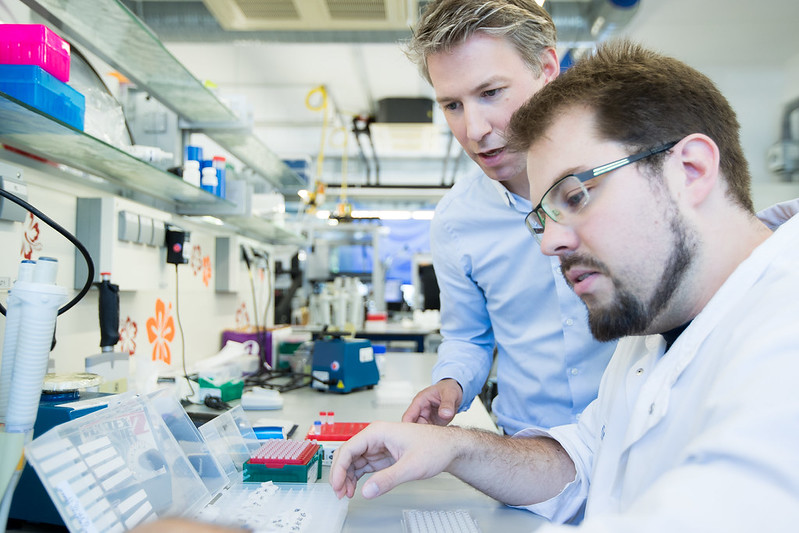
High negative predictive value and real-time insights make donor-derived cell-free DNA testing a strategic addition to molecular diagnostic menus.
A new blood test that measures donor-derived cell-free DNA (dd-cfDNA) is reshaping post-transplant surveillance by offering clinical laboratories a powerful, noninvasive tool to detect organ injury earlier than traditional methods.
The assay enables physicians to monitor graft health through a blood draw—potentially reducing reliance on invasive tissue biopsies and allowing for more timely intervention. The research was outlined in a recent article published by the College of American Pathologists, “Utilizing Cell-Free DNA Technologies for Clinically Significant Biomarkers in Solid Organ Transplantation,” about the clinical application of cell-free DNA technologies in solid organ transplantation.
“This new test functions as an early warning system, providing real-time insight into transplant health using a simple blood draw,” shares co-author Julianne Szczepanski, MD, FCAP, clinical instructor, Pathology, University of Michigan Health. (Photo credit: University of Michigan Health)
For lab professionals, dd-cfDNA represents a meaningful advance in transplant diagnostics. When cells from a transplanted organ are injured—whether due to rejection, infection, or ischemia—they release fragments of donor DNA into the recipient’s bloodstream. Quantifying these fragments provides a dynamic biomarker of graft injury. In stable patients, donor-derived DNA levels remain low. Rising levels, however, may indicate early organ damage, often before clinical symptoms or traditional markers become apparent. This creates an opportunity for laboratories to deliver actionable, real-time data that directly informs patient management decisions.
The clinical utility of dd-cfDNA testing is now supported by professional guidelines for kidney and heart transplant recipients. Studies demonstrate that the assay has a strong negative predictive value, meaning low dd-cfDNA levels can reliably rule out rejection. For laboratory directors and pathologists, this is significant because the findings show that high-confidence, rule-out testing can help reduce unnecessary biopsies, lower procedural risk, and decrease healthcare costs. At the same time, elevated results can identify patients who require closer surveillance, immunosuppression adjustments, or further diagnostic workup.
Broader Use Increases Demand for Lab Expertise
Importantly, while dd-cfDNA testing is highly sensitive to graft injury, it does not always specify the underlying cause. Elevated levels may reflect rejection, infection, or other forms of tissue damage, requiring correlation with clinical findings and additional testing. This reinforces the laboratory’s role not just in generating results, but in guiding interpretation and supporting multidisciplinary transplant teams.
Ongoing research aims to expand dd-cfDNA applications beyond kidney and heart transplantation to include liver and lung recipients. Investigators are also exploring refinements that could differentiate types of organ injury, further enhancing diagnostic specificity.
For clinical laboratories, dd-cfDNA testing underscores the expanding role of molecular diagnostics in precision transplant medicine—offering a scalable, patient-centered approach to graft monitoring that aligns with broader trends toward minimally invasive, data-driven care.
UW Medicine and Seattle Children’s launch long-read sequencing research to uncover genetic factors, setting new standards for pediatric genomic testing.
The study represents a critical step in both research and clinical laboratory practice. Applying long-read sequencing as a first-tier assay can streamline workflows, particularly when working with challenging samples such as post-mortem tissue or dried blood spots. Laboratories involved will need to combine advanced sequencing with robust bioinformatics pipelines, accurate variant interpretation, and integration of parental genomes to provide clinically relevant results.
The study, led by Danny E. Miller, MD, PhD, assistant professor of pediatrics and laboratory medicine and pathology at the University of Washington, and Alexandra Keefe, MD, PhD, assistant professor of pediatrics at UW Medicine, will sequence 200 family trios—a child and their parents—aiming to uncover genetic factors that may contribute to these sudden, unexplained deaths.
PacBio’s Revio system with SPRQ-Nx chemistry will be used to generate highly accurate long-read genomes, allowing researchers to detect complex structural variants and tandem repeats that traditional sequencing may miss. By including parental data, the team hopes to distinguish inherited variants from spontaneous mutations, increasing the likelihood of actionable findings for families.
Long-Read Sequencing Advances SUDC Investigations
“Selecting HiFi sequencing as our first-line whole-genome assay allows us to search for answers with the accuracy and breadth these families deserve,” said Miller. “By starting with long reads and incorporating parental data, we can resolve difficult variants, phase them accurately, and provide guidance relevant to SUDC.”
The SUDC Foundation currently assists over 1,000 families in more than 20 countries. The organization emphasizes the importance of comprehensive investigations for sudden child deaths, including genetic testing, DNA banking, and family screening when appropriate.
“Families affected by SUDC face unimaginable loss,” said Julia Burgess, president of the SUDC Foundation. “Funding this project reflects our commitment to advancing research that brings clarity, guidance, and hope to grieving families nationwide.”
Beyond supporting families, the research could establish a model for how cutting-edge genomic testing is incorporated into clinical investigations of sudden childhood deaths. The team plans to implement a tiered genomic approach for cases with suspected genetic causes, beginning with trio-based exome and low-pass whole-genome sequencing, followed by reflexive long-read sequencing when necessary.
“This project has the potential not only to provide answers to families but also to transform standards for genetic investigation in pediatric sudden death,” said Keefe. “It highlights the essential role laboratories play in turning advanced genomic technologies into actionable clinical knowledge.” (Photo credit: UW Medicine)
The SUDC Foundation expects the study, funded at $328,133 over four years, to generate data that supports broader adoption of long-read sequencing in pediatric genomics and enhance understanding of the genetic underpinnings of SUDC.
For clinical laboratory professionals, this initiative underscores the growing expectation that advanced genomic technologies—particularly long-read whole-genome sequencing and trio analysis—will play a larger role in investigating unexplained pediatric deaths. As these tools move toward first-line use, labs must be prepared to support complex variant detection, robust bioinformatics interpretation, and collaboration with clinicians and medical examiners, positioning the laboratory at the center of efforts to deliver clearer answers for families.
New digital assessment helps lab leaders identify systemic safety gaps before serious injuries and fatalities occur.
Dark Daily’s sister publication, Lab Manager, recently reported that the National Safety Council (NSC) has launched a new digital assessment tool designed to help laboratories identify systemic safety weaknesses before they lead to serious injuries and fatalities—high-consequence events that can carry significant human and financial costs.
Called the Organization Safety Gap Analysis Tool, the platform adapts NSC’s evidence-based SIF Prevention Model into an interactive, structured evaluation tailored to complex work environments such as clinical laboratories. The initiative was developed through NSC’s Work to Zero program in partnership with the NCCCO Foundation.
For clinical laboratories that already operate on tight staffing models, the NSC tool may help identify areas for investment that will keep workers safer.
Moving Beyond Compliance to Prevent High-Severity Laboratory Incidents
Serious injuries and fatalities (SIFs) are rare but catastrophic events that result in life-altering harm or death. In laboratory settings, they can arise from chemical exposures, fires, equipment malfunctions, uncontrolled energy releases, or containment failures. Unlike minor injuries, SIFs typically emerge from organizational and system-level breakdowns rather than a single unsafe act—making them difficult to detect through conventional safety audits.
Traditional compliance reviews often focus on lagging indicators such as recordable injury rates and incident counts. While those metrics remain important, they do not necessarily reveal whether safety systems are strong enough to prevent high-severity events. The new SIF prevention tool shifts the emphasis from counting past incidents to evaluating whether leadership practices, hazard identification processes, and control systems are capable of preventing catastrophic outcomes.
The digital assessment can be completed in approximately 10 to 15 minutes. Laboratory leaders respond to a series of statements using a color-coded scoring system—green for full compliance, yellow for partial compliance, and red for limited or no evidence of compliance. The platform then generates a customized summary highlighting strengths, identifying safety gaps, and offering targeted recommendations aligned with best practices.
The tool evaluates performance across seven core elements that NSC identifies as critical to preventing serious injuries and fatalities: the safety and health operating environment; management leadership; worker engagement; hazard identification and prioritization; hazard abatement and control; implementation and operation; and continuous improvement.
High-Severity Risk is a Business Risk
Together, these elements are designed to uncover systemic vulnerabilities that may not surface during routine inspections or regulatory compliance reviews.
For laboratories, the business implications extend well beyond worker safety. Clinical labs routinely handle volatile chemicals, compressed gases, biological agents, cryogenic systems, and high-energy equipment. While most facilities meet baseline regulatory requirements, catastrophic incidents often occur when multiple small failures align—failures that may go unnoticed without a structured, system-level evaluation.
A single serious event can result in operational shutdowns, regulatory scrutiny, liability exposure, reputational damage, and increased insurance costs. As accrediting bodies and regulators place greater emphasis on high-severity risk prevention, laboratory leaders are under increasing pressure to demonstrate that their safety programs are proactive, data-driven, and capable of controlling enterprise-level risk.
By benchmarking safety maturity and pinpointing gaps in leadership alignment, hazard prioritization, and control effectiveness, the SIF prevention tool offers laboratory managers a framework for more strategic decision-making. Results can inform investments in engineering controls, workforce training, operational safeguards, and internal audit processes.
As laboratory environments grow more complex and regulatory expectations continue to evolve, industry observers note that organizations can no longer rely solely on compliance-based approaches. Systematic prevention of high-consequence events is becoming a core component of sustainable laboratory operations—and a critical safeguard for both people and business continuity.
Until then, clinical laboratory professionals must push the proposed legislation forward to achieve PAMA reform.
Officials from one of the key groups behind the proposed RESULTS Act stated earlier this month that the goal is to have the legislation attached to a year-end spending bill in Congress.
That leaves approximately 10 months for the clinical laboratory industry to mount enough momentum to bring the proposal to a vote.
“It is never easy to get anything done on Capitol Hill,” noted Joyce Gresko, legal counsel for the American Clinical Laboratory Association (ACLA) and an attorney at Alston & Bird.
Gresko spoke during a Feb. 11 webinar hosted by ACLA about the current lab operating environment under the Protecting Access to Medicare Act of 2014 (PAMA). PAMA-related cuts to clinical lab test reimbursement rates have been delayed until Jan. 1, 2027. However, in the nearer term, an important reporting milestone under PAMA begins on May 1.
Joyce Gresko, legal counsel for the ACLA and an attorney at Alston & Bird, urged clinical laboratories to contact members of Congress about passing the RESULTS Act. (Photo credit: Alston & Bird)
The RESULTS Act—more formally the Reforming and Enhancing Sustainable Updates to Laboratory Testing Services Act of 2025—calls for PAMA reform by permanently capping reimbursement cuts to 5% annually and identifying an independent claims database to help the federal government set Medicare rates for lab test claims. Currently those rates are set through lab-based reporting, an approach that has been largely criticized by the diagnostics industry.
Gresko noted that ACLA is eyeing the idea of the RESULTS Act becoming part of an end-of-year spending package in December, which could allow the proposal to pass as part of a larger vote. Such packages are typical in Congress.
Lawmakers Need to Hear about Support for the RESULTS Act
The ACLA has been among the loudest voices in the clinical laboratory industry supporting passage of the RESULTS Act. The bill was introduced in September 2025, as reported by Dark Daily.
Through a special ACLA website, StopLabCuts.org, 190,000 messages have been sent to Congress from lab industry professionals, Gresko said. She urged others to let their opinions be heard by lawmakers.
“Please weigh in with your members of Congress,” she said.
PAMA cuts have costs the diagnostics industry $3.8 billion over the last decade, noted Susan Van Meter, president of the ACLA.
For labs, those cuts “have had a negative impact on being able to maintain access to a whole level of [diagnostic] services,” Van Meter added.
New PAMA Reporting Window Starts on May 1 for Clinical Labs
While the RESULTS Act gets debated, clinical laboratories will need to prepare for their next reporting window under PAMA, which begins on May 1 and ends on July 31.
PAMA requires affected labs to submit information about tests they perform to the Centers for Medicare and Medicaid Services, including what private payers reimbursed labs for each test. This data establishes Medicare reimbursement rates under the Clinical Laboratory Fee Schedule.
In a twist, Congress revised that data collection to include 2025 commercial rates for labs, not 2019 data as was originally mandated.
Laboratories that have not started preparing for this reporting window need to begin now.
A feasibility study shows disinfected lab plastics can be converted into reusable manufacturing raw material for new healthcare products.
Becton, Dickinson and Company (BD) and Envetec Sustainable Technologies have completed a joint feasibility study evaluating whether polystyrene Petri dishes can be disinfected, processed, and recycled into new manufacturing raw material suitable for healthcare products.
The pilot focused on unused BD BBL prepared plated media as post-industrial material. In the study, plates and their contents were shredded, separated, chemically disinfected, and converted into clean polymer flakes using Envetec’s GENERATIONS technology. The flakes were then extruded into polystyrene pellets and molded into new Petri dish prototypes.
According to the companies, material property testing and molding feasibility were successfully completed.
The results suggest that polystyrene can be processed and reused in a manner that maintains properties required for manufacturing. The companies also reported that other common healthcare polymers—including polyester (PET), polypropylene, and polyethylene—may be suitable for similar treatment and reuse following disinfection and processing.
Envetec’s GENERATIONS technology uses what the company describes as a validated, low-energy chemical disinfection process to convert regulated medical waste into recyclable polymer flakes. The system is designed to process biohazardous and other regulated waste streams and render them suitable for downstream recycling applications.
Waste Volume and PFAS Scrutiny Add Complexity to Lab Plastics Recycling Efforts
For clinical and laboratory professionals, the pilot addresses a persistent operational issue: the large volume of single-use plastic consumables generated in microbiology, molecular diagnostics, and other laboratory settings. Petri dishes, blood collection tubes, pipette tips, and other items are typically disposed of as regulated waste due to contamination risk. Recycling options have historically been limited because of infection control requirements and material degradation concerns.
Per- and polyfluoroalkyl substances (PFAS) are an emerging concern across the healthcare and laboratory supply chain because of their persistence in the environment and potential health risks. PFAS have historically been used in a range of industrial and manufacturing applications due to their resistance to heat, water, and chemicals, and scrutiny has increased as regulators assess their presence in plastics, coatings, packaging, and manufacturing processes. In the clinical laboratory sector, attention is focused on whether PFAS are used in raw materials, production aids, or surface treatments for consumables and instruments, as well as how disposal or recycling pathways might affect environmental release. For laboratories, PFAS considerations may intersect with procurement policies, environmental health and safety programs, and vendor due diligence, particularly as sustainability and chemical transparency become more prominent in contracting and accreditation discussions.
Nikos Pavlidis, worldwide president of diagnostic solutions at BD, said, “Single-use devices made of high-quality plastics play a critical role in modern health care due to safety, ease of use and scalability, but we recognize the long-term impact that these materials can have on the environment.” (Photo credit: BD)
He added that the pilot “represents an important step toward enabling circular economy solutions for other high-volume healthcare consumables made from commonly used plastics, such as blood collection tubes, syringes and packaging.”
The study was conducted by BD’s Sustainable Medical Technologies Institute. The companies indicated they see opportunities to expand the pilot and further evaluate circular processing models for other plastic consumables used in healthcare and laboratory environments.
Envetec reports that its GENERATIONS technology is currently deployed in biopharma and life sciences facilities, hospitals, and food and beverage operations in the United States and Europe. The company is working with customers and recycling partners to develop pathways that convert treated laboratory plastics into recycled pellets and, where feasible, new plastic products.
For laboratories, broader adoption would likely depend on regulatory acceptance, validation of sterility and material performance, and integration with existing waste management workflows.
This article was created with the assistance of generative AI and has undergone editorial review before publishing.