When people receive COVID-19 testing at an out-of-network facility, federal law requires insurers to pay that clinical laboratory’s posted ‘cash price’ when negotiated prices have not previously been established
In the latest example that some COVID-19 testing companies are charging significantly higher prices than others, The New York Times (NYT) recently reported that one COVID lab company with “more than a dozen testing sites” throughout the US was charging $380 for a COVID-19 rapid test that can be purchased at many drug stores for $20. Sadly, this practice, the NYT also noted, is protected by federal law.
Media reporters and the lay public are not fully aware of the long-established clinical laboratory test payment modalities that govern the daily performance of tests ordered as part of regular healthcare. Thus, when the COVID-19 pandemic hit—along with tens of billions of federal dollars to pay for SARS-CoV-2 tests—it triggered a gold rush of people wanting to get into the clinical laboratory testing business specifically to make money.
It is the bad actors in this group who are tainting the entire clinical laboratory industry with often outrageous business practices that, at best, cross ethical lines—such as overpricing tests to consumers—and at worst, represent fraudulent behavior, such as inducing medically-unnecessary tests, then submitting claims for these tests.
Even as the pandemic appears to be waning, news outlets are reporting instances of insurers being charged higher “cash prices” for tests performed by out-of-network testing laboratories. Worse yet, federal law requires insurers to pay these exorbitant prices and they are not happy about it.
In-Network versus Out-of-Network Pricing
In its report, the NYT noted that the CARES Act (H.R. 748) requires insurers to pay whatever “cash prices” out-of-network labs post online, and that this is leading to “expensive coronavirus tests” that could ultimately be reflected in future “higher insurance premiums” charged to healthcare consumers.
One company the NYT highlighted in its report is GS Labs in Omaha, Neb., a provider of COVID-19 testing throughout the US. The testing company’s COVID-19 Pricing Transparency webpage lists these prices for the following COVID-19 tests:
“Insurers are obligated to pay cash price, unless we come to a negotiated rate,” Christopher Erickson, a GS Labs Partner, told the NYT.
Negotiate or ‘Pay the Provider’s Cash Price’
In Missouri, Blue Cross and Blue Shield of Kansas City (Blue KC) has filed a lawsuit against GS Labs. “This action seeks a judgment declaring Blue KC and our members are not required to pay GS Labs’ unreasonable, inflated reimbursement demands,” according to a Blue KC news release.
However, section 3202 of the Coronavirus Aid, Relief, and Economic Security (CARES) Act “specifies the process for private health insurance plan issuers to reimburse providers of COVID-19 diagnostic tests. Specifically, a reimbursement rate negotiated for such test prior to the public health emergency declared on January 31, 2020, continues to apply for the duration of the emergency. If a reimbursement rate was not negotiated prior to the emergency declaration, an issuer may either negotiate such rate or pay the provider’s cash price.”
In its own news release, GS Labs said it has “countersued Blue KC over the insurance company’s failure to pay $9.7 million for COVID tests covered by federal law.”
According to a legal expert who spoke with the NYT, GS Labs has grounds for its test charges due to the CARES Act. “Whatever price the lab puts on their public facing website, that is what has to be paid. I don’t read a whole lot of wiggle room in it,” said Sabrina Corlette, JD, Research Professor and Co-Director of the Center on Health Insurance Reforms at Georgetown University.
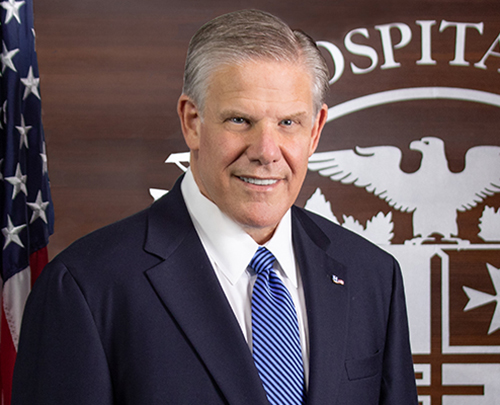
“Unfortunately,” noted Loren Adler (above), Associate Director of the USC-Brookings Schaeffer Initiative for Health Policy, in a blog post, “this ‘cash price’ is not a market-determined price—it is irrelevant to patients because all options have to be made free to them by law, so there is little constraint on how high this is set by testing entities. Nor is there any reason for out-of-network entities to accept any less than this amount (other than a desire to contract in the future with the insurer for fear of a public relations backlash). Moreover, in theory the patient can still be surprise balance billed if the provider’s charge is higher than this ‘cash price,’ though it is unclear why any provider would list a ‘cash price’ lower than their charge.” (Photo copyright: The Brookings Institution.)
In his analysis, Adler suggested the law be revised to require commercial insurers to pay for COVID-19 testing at Medicare prices.
Patient Receives a $54,000 ‘Surprise’ Bill for COVID-19 Out-of-Network Test
The patient, Travis Warner, reportedly has insurance from Molina Healthcare through the federal Health Insurance Marketplace. After an employee at his company tested positive for COVID-19, Warner drove 30 miles outside of Dallas in search of COVID-19 testing sites. He eventually visiting an out-of-network free-standing emergency room in Lewisville where he received PCR diagnostic and rapid antigen tests. The results of the tests were negative for COVID-19. But the bill was a shock.
The total bill came to $56,384. Molina Healthcare paid its negotiated rate of $16,915.20 for the testing and facility fee, leaving Warner responsible for the remaining $54,000!
In the end, Warner did not have to pay the bill. Molina resolved the charge with SignatureCare and, in a statement to KHN, wrote, “This matter was a provider billing error, which Molina identified and corrected.”
For its part, SignatureCare Emergency Centers, with freestanding centers throughout Texas, said it has a “robust audit process” to flag errors and processed “thousands of records a day” at the height of the pandemic, according to KHN, which reported the business showing a $175 price for a COVID-19 test on its website.
“If the insurance company is paying astronomical sums of money for your care, that means in turn that you are going to be paying higher (insurance) premiums,” Adler told KHN.
Insurance Group Finds Price Gouging
“Price gouging on COVID-19 tests by certain providers continues to be a widespread problem,” according to a statement by America’s Health Insurance Plans (AHIP), a national association representing insurers.
AHIP has studied COVID-19 test prices since April 2020. It released a survey earlier this year which found COVID-19 test prices were on average $130. However, AHIP also found that out-of-network providers charged “significantly higher” (more than $185) for more than half (54%) of COVID-19 tests (PCR, antigen, antibody) in March 2021—a 12% increase since 2020. More than 27% of COVID-19 tests in March 2021 were done out-of-network, a 6% increase since 2020.
However, in, “COVID-19 Lab Test Prices Give Some Health Plans ‘Indigestion’,” Dark Daily’s sister publication, The Dark Report, wrote, “Interestingly, [AHIP] researchers reported that the share of COVID-19 tests claims submitted from ‘high-cost locations’—identified as hospitals and emergency departments—declined from 18% in the first three months of the pandemic to only 5% during the first three months of 2021.”
Niall Brennan, President and CEO of the Health Care Cost Institute (HCCI), told KHN, “People are going to charge what they think they can get away with. Even a perfectly well-intentioned provision like [the CARES Act] can be hijacked by certain unscrupulous providers for nefarious purposes.”
Of course, most medical laboratories priced their tests fairly and have performed them in an efficient and professional manner during the pandemic. So, it is unfortunate to learn through AHIP’s survey findings and the media that some COVID-19 testing providers are posting prices that may confuse patients and affect their health insurance premiums.
Royal College of Pathologists of Australia says the pandemic is ‘suppressed’ to ‘intermittent’ outbreaks, thanks to the dedication of thousands of pathologists, medical scientists, and laboratory professionals
COVID-19 efforts in Australia have achieved a milestone. Pathology laboratories there have performed more than 12 million SARS-CoV-2 tests since the pandemic began. That is an impressive feat and is equal to about half the country’s population of 25.4 million people.
“It is an incredible feat,” they continued. “Australia’s current position of having effectively suppressed the virus to intermittent outbreaks owes much to the year-long dedication and ingenuity of 35,000 pathologists, medical scientists, lab technicians, couriers, phlebotomists, and ancillary personnel.”
Australia Pathology Society Recognizes Accomplishments
Furthermore, Graves and Bott wrote, pathology in Australia deserves recognition for these pandemic-related accomplishments, among others, as well:
Australia launched drive-through COVID-19 testing clinics even before the pandemic was declared by the World Health Organization (WHO).
An RCPA quality assurance program for lab COVID-19 testing was the first of its kind to start worldwide, and it became a model for other countries.
Australia’s pathology labs were fast to develop in-house test kits once they had the genome sequence for the SARS-CoV-2 coronavirus.
Quick Responses to COVID-19 in the Land Down Under
The Doherty Institute (a joint venture of the University of Melbourne and the Royal Melbourne Hospital) offers research, teaching, public health and reference lab services, diagnostics, and clinical care for infectious diseases and immunity.
After receiving the patient sample on Jan. 24, 2020, institute scientists were the first outside China to grow the coronavirus in cell culture, noted a University of Melbourne news release.
“We’ve planned for an incident like this for many, many years, and that’s really why we were able to get an answer so quickly,” Dr. Mike Catton (above), Co-Deputy Director, Doherty Institute and Director of the Victorian Infectious Diseases Reference Laboratory (VIDRL), said in the news release. (Photo copyright: ABC News.)
Doherty Institute researchers also were first to report on immune response to COVID-19, according to a second news release.
“When COVID-19 emerged, we already had ethics and protocols in place so we could rapidly start looking at the virus and immune system in great deal,” Dr. Irani Thevarajan, Infectious Disease Physician, Doherty Institute, Royal Melbourne Hospital, said in the second news release.
“Our study provides novel contributions to the understanding and kinetics of immune responses during a non-severe case of COVID-19. This patient did not experience complications of respiratory failure or acute respiratory distress syndrome, did not require supplemental oxygenation, and was discharged within a week of hospitalization, consistent with non-severe but symptomatic disease,” Thevarajan and co-authors wrote in Nature Medicine.
Drive-Through COVID-19 Testing Sites in Australia
Also impressive was Australia’s launch of drive-through COVID-19 testing on March 9, 2020, before the pandemic was declared by WHO on March 11.
The COVID-19 testing site in Adelaide, South Australia, was “believed to be a first for the country’s public health system,” ABC News reported.
Public Recognition for Medical Laboratories has Global Reach
The COVID-19 response and scientific contributions by pathology laboratory scientists and researchers in Australia are noteworthy. It is also significant that Australia’s pathology professional society sought recognition for medical laboratory workers by detailing their accomplishments during the pandemic and sharing them in media with national and global reach.
The No Surprises Act, passed as part of the COVID-19 relief package, ensures patients do not receive surprise bills after out-of-network care, including hospital-based physicians such as pathologists
Consumer demand for price transparency in healthcare has been gaining support in Congress after several high-profile cases involving surprise medical billing received widespread reporting. Dark Daily covered many of these cases over the years.
Now, after initial opposition and months of legislative wrangling, organizations representing medical laboratories and clinical pathologists have expressed support for new federal legislation that aims to protect patients from surprise medical bills, including for clinical pathology and anatomic pathology services.
The new law Congress passed is known as the No Surprises Act (H.R.3630) and is part of the $900 billion COVID relief and government funding package signed by President Trump on December 27.
The law addresses the practice of “balance billing,” in which patients receive surprise bills for out-of-network medical services even when they use in-network providers. An ASCP policy statement noted that “a patient (consumer) may receive a bill for an episode of care or service they believed to be in-network and therefore covered by their insurance, but was in fact out-of-network.” This, according to the ASCP, “occurs most often in emergency situations, but specialties like pathology, radiology, and anesthesiology are affected as well.”
Most portions of the No Surprises Act take effect on January 1, 2022. The law prohibits balance billing for emergency care, air ambulance transport, or, in most cases, non-emergency care from in-network providers. Instead, if a patient unknowingly receives services from an out-of-network provider, they are liable only for co-pays and deductibles they would have paid for in-network care.
New Law Bars Pathologists from Balance Billing without Advance Patient Consent
The law permits balance billing under some circumstances, but only if the patient gives advance consent. And some specialties, including pathologists, are barred entirely from balance billing.
The law also establishes a process for determining how healthcare providers are reimbursed when a patient receives out-of-network care. The specifics of that process proved to be a major sticking point for providers. In states that have their own surprise-billing protections, payment will generally be determined by state law. Otherwise, payers and providers have 30 days to negotiate payment. If they can’t agree, payment is determined by an arbiter as part of an independent dispute resolution (IDR) process.
Early Proposal Drew Opposition
An early proposal to prohibit surprise billing drew opposition from a wide range of medical societies, including the ASCP, CAP, and the American Medical Association (AMA).
All were signatories to a July 29, 2020, letter sent to leaders of the US Senate and House of Representatives urging them to hold off from enacting surprise billing protections as part of COVID relief legislation. Though the groups agreed in principle with the need to protect patients from surprise billing, they contended that the proposed legislation leaned too heavily in favor of insurers, an ASCP news release noted.
“Legislative proposals that would dictate a set payment rate for unanticipated out-of-network care are neither market-based nor equitable, and do not account for the myriad inputs that factor into payment negotiations between insurers and providers,” the letter stated. “These proposals will only incentivize insurers to further narrow their provider networks and would also result in a massive financial windfall for insurers. As such, we oppose the setting of a payment rate in statute and are particularly concerned by proposals that would undermine hospitals and front-line caregivers during the COVID-19 pandemic.”
On December 11, leaders of key House and Senate committees announced agreement on a bipartisan draft of the bill that appeared to address these concerns, including establishment of the arbitration process for resolving payment disputes.
However, in a letter sent to the committee chairs and ranking members, the AHA asked for changes in the dispute-resolution provisions, including a prohibition on considering Medicare or Medicaid rates during arbitration. “We are concerned that the IDR process may be skewed if the arbiter is able to consider public payer reimbursement rates, which are well known to be below the cost of providing care,” the association stated. However, legislators agreed to the change after last-minute negotiations.
“The AHA is pleased that Congress rejected approaches that would impose arbitrary rates on providers, which could have significant consequences far beyond the scope of surprise medical bills and impact access to hospital care,” AHA President and CEO Rick Pollack (above) said in a statement. “We also applaud Congress for rejecting attempts to base rates on public payers.” (Photo copyright: American Hospital Association.)
Dispute Resolution for Pathologists
The CAP also expressed support for the final bill. In a statement, CAP noted that “As the legislation evolved during the 116th Congress, CAP members met with their federal lawmakers to discuss the CAP’s policy priorities.
“Through the CAP’s engagement and collaboration with other physician associations, the legislation improved drastically,” the CAP stated. “Specifically, the CAP lobbied Congress to hold patients harmless, establish a fair reimbursement formula for services provided, deny insurers the ability to dictate payment, create an independent dispute resolution (IDR) process that pathologists can participate in, and require network adequacy standards for health insurers.”
As laboratory testing was identified by thousands of respondents to the University of Chicago survey as the top surprise bill, it is likely that billing and transparency in charges for clinical pathologist and anatomic pathologist will continue to be scrutinized by law makers and healthcare associations.
The latest McKinsey report addresses when the COVID-19 pandemic is “most likely” to end and what needs to happen to get there
Clinical laboratory leaders, pathologists, and diagnostics professionals everywhere want to know when the SARS-CoV-2 coronavirus will burn itself out. When can we expect to return to normal? Since there is no such thing as a crystal ball, it might be helpful to review the latest report from international management consulting firm McKinsey and Company, titled, appropriately, “When Will the COVID-19 Pandemic End?”
It’s a good question, and McKinsey is not certain of the answer. Barring other factors, McKinsey predicts “Transition toward normalcy in the United States remains most likely in the second quarter of 2021 and herd immunity in the third and fourth quarters, but the emergence of new strains and a slow start to vaccine rollout raise real risks to both timelines.” The report also states, “the emergence of more-infectious variants of SARS-CoV-2 increases the risk that this milestone will not be achieved until later.
“More-infectious viruses,” McKinsey continued, “require that a higher percentage of people be simultaneously immune to reach herd immunity. While a more infectious variant likely means more people are acquiring natural immunity through infection (despite ongoing efforts to minimize new cases), the net impact of more-infectious strains is likely to be that a higher portion of the population needs to be vaccinated, which may take more time.”
Challenges That May Slow Herd Immunity to COVID-19
“It is now harder to imagine the United States or United Kingdom transitioning to normalcy before second quarter 2021 or reaching herd immunity before third quarter 2021,” McKinsey added. “Herd immunity to a pathogen is achieved when a sufficient portion of a population is simultaneously immune to prevent sustained transmission.”
But problems in [COVID-19] vaccine distribution, supply shortages, and intermittent participation by the population could push the pandemic endpoint to 2022, cautioned McKinsey.
“We believe herd immunity in the United States is still most likely in third or fourth quarter 2021, but that the chance of delay until first quarter 2022 or beyond has increased,” the report states, “Even later herd immunity remains possible if other challenges arise, especially vaccine safety concerns or ambivalence to vaccination following a transition toward normalcy.”
Other factors that went into the firm’s “most likely” set of possible timelines include:
“Unexpected safety issues emerging with early vaccines,
“Significant manufacturing or supply-chain delays,
“Continued slow adoption,
“Further mutation [of the virus],
“A shorter-than-anticipated duration of vaccine-conferred immunity.”
The graph above, taken from the McKinsey and Co. report, illustrates how “the probability of reaching COVID-19 herd immunity in the United States is highest in the third or fourth quarter, but could shift.” (Graphic copyright: McKinsey and Company.)
A ‘Transition Toward Normalcy’
In its report, McKinsey notes that “During this transition, controlling the spread of SARS-CoV-2 will still require public-health measures (such as continued COVID-19 testing and mask use in many settings), but mortality will fall significantly, allowing greater normalization of business and social activities.”
In apparent agreement, according to data from the COVID Tracking Project, as of Jan. 27, 2021, 107,444 people were hospitalized in the US with COVID-19, as compared to 130,000 hospital cases on Jan. 13, 2021. Numbers of new cases appear to be dropping, however, McKinsey predicts that “COVID-19 will not disappear during this transition but will become a more normal part of the baseline disease burden in society (like flu, for example), rather than a special threat requiring exceptional societal response.”
It may help that more people are taking one of the vaccines. A recent survey conducted by London-based research and analytics firm YouGov, found that people worldwide are becoming more willing to take the COVID-19 vaccine. For example, in the UK, 80% of those surveyed gave a thumbs-up to getting vaccinated, compared to 61% in November. In the US, however, still only about 45% said they will get the vaccine, up slightly from 42% who said so in July, YouGov reported.
However, McKinsey points out that “vaccine rollout has not yet proceeded far enough to protect much of the population.”
How Should Medical Laboratories and Other Healthcare Providers Proceed?
In “No One Said it Would Be Easy,” Jan. 22, 2021, Becker’s Hospital Review, Michael Dowling, President and CEO of Northwell Health, wrote, “We will be living in a world preoccupied by COVID-19 and vaccination for many months to come … And the stark reality is that the vaccination rollout will continue well into the summer, if not longer, while at the same time we continue to care for hundreds of thousands of Americans sickened by the virus. Despite the challenges we face now and in the coming months in treating the disease and vaccinating a US population of 330 million, none of us should doubt that we will prevail.”
“To achieve that,” McKinsey notes, “we will need to see significant progress on the epidemiological end point … Favorable findings on natural and cross-immunity would help accelerate timelines.
“Five additional criteria will also contribute to the transition to a form of normalcy—the more of these that are achieved, the faster the milestone is likely to be reached:
“Continued improvement by governments in the application of public-health interventions (such as test and trace) that don’t significantly limit economic and social activities.
“Compliance with public-health measures until we achieve herd immunity.
“Accurate, widely available, rapid testing that effectively enables specific activities.
“Continued advancements in therapeutics (including pre- and post-exposure prophylactics) for and clinical management of COVID-19, leading to lower infection-fatality ratios—substantial progress has already been made through a combination of effective drugs, such as Dexamethasone and Remdesivir, and changes in clinical management.
“Public confidence that there aren’t significant long-term health consequences for those who recover from COVID-19.”
Finally, McKinsey notes that “Both the epidemiological and normalcy ends to the COVID-19 pandemic are important. The transition to the next normal will mark an important social and economic milestone, and herd immunity will be a more definitive end to the pandemic. In the United States, while the transition to normal might be accomplished sooner, the epidemiological end point looks most likely to be reached in the second half of 2021.”
It is not clear when clinical laboratories and pathologists will know for certain when the pandemic’s end point has been reached. Predictions coming from sources such as McKinsey’s latest report may be as close as we get to a crystal ball view of the pandemic’s future.
Because air travel volumes are low, experts believe it is timely to develop COVID-19 testing systems and gain insight on which protocols are most effective
As the COVID-19 pandemic surges on, several international airlines now require customers to complete at-home COVID-19 testing before they can travel. This is triggering unusual business practices. For example, one airline allows its passengers to use frequent flier miles to purchase mail-in COVID-19 test kits.
Frequent Flyer Miles for COVID-19 Testing
Across the United States, Hawaii has one of the lowest rates of infection, partly thanks to the state’s strict quarantine regulations. In a state, however, that depends on tourism for its economic health, the pandemic has caused serious financial difficulties. In an effort to prevent spread of the coronavirus while also encouraging tourism, Hawaiian Airlines now offers “Pre-travel COVID-19 Test Options” on its website.
To be allowed to skip the state’s mandatory 14-day self-quarantine before arriving on the islands, flyers can take a pre-travel coronavirus test with the following conditions:
The test must be from a state-approved testing provider.
The test must be administered no more than 72 hours prior to the scheduled departure time of the final leg to Hawaii.
For trans-pacific travel, test results must be received prior to flight departure.
Additionally, the airline accepts frequent flyer miles to pay for mail-in COVID-19 tests. In exchange for 14,000 HawaiianMiles, a passenger receives a test kit in the mail. The kit features a video call during which a healthcare professional guides the consumer on taking a saliva sample. The user then ships the sample to a qualified clinical laboratory. Results are returned electronically within 24 hours of the lab receiving the sample.
Hawaii’s COVID-19 portal states, “The state of Hawaii will ONLY accept Nucleic Acid Amplification Test (NAAT) from a certified Clinical Laboratory Improvement Amendment (CLIA) lab test results from Trusted Testing and Travel Partners” that are participating in the state’s pre-travel testing program. Honolulu and Maui are the only two arrival airports allowed. A negative result must have come from a test performed within 72 hours prior to the final leg of the passenger’s trip to Hawaii, according to the portal.
“A negative pre-travel test is an alternative to two weeks in self-isolation for arrivals to the archipelago,” the UK’s Independent reported.
JetBlue and Vault Health Partner to Offer COVID Testing to Airline Passengers
In another instance of an airline getting involved in at-home testing, JetBlue (NASDAQ:JBLU) is partnering with Vault Health to offer at-home testing. The process is similar to the Hawaiian Airlines program. However, rather than purchasing the test with frequent flyer miles, JetBlue offers polymerase chain reaction (PCR) tests at a discount.
Business Travel News reported that passengers must provide a confirmation code while ordering the $119 test from Vault Health’s webpage. “Vault provides a kit for an at-home saliva test, and users administrate it while on a video chat supervised by Vault to ensure the test is done properly. The user sends it overnight to a clinical laboratory and the results are provided within 72 hours,” Business Travel News stated.
“We continue to hear from health officials that [COVID-19] testing is incredibly important in the fight against the coronavirus, and we want to make sure our customers have options for testing, especially prior to travel,” said Joanna Geraghty, President and Chief Operating Officer, JetBlue, in a press release. “As more and more regions reopen, many are requiring test results to enter. Now with easier testing options, those safety requirements may not be a deterrent for travel, but rather provide greater public health and peace of mind with little inconvenience.” (Photo copyright: Spectrum News NY1.)
In addition to airlines such as Hawaii Airlines and JetBlue instituting programs for coronavirus testing, some airports are as well. Tampa International Airport, for example, test-piloted a voluntary testing program for all arriving and departing passengers from October 1st to October 31st. The airport partnered with BayCare, a 15-hospital Tampa area healthcare network, to provide both rapid antigen and PCR tests.
“Testing services will be offered on a walk-in basis … seven days a week from 8 a.m. until 2 p.m. The pilot will be open to all ticketed passengers who are flying or have flown within three days and can show proof of travel. The PCR COVID-19 test costs $125 and the antigen test costs $57,” a press release stated.
Tampa Airport CEO Joe Lopano told the Washington Post, “This could be—especially if adopted by other airports—another way to instill confidence.”
COVID-19 Testing by Retailers Expanding as Well
Travelers aren’t the only people who need testing. Some employers also are requiring negative tests before employees can return to work.
As with all at-home kits, the consumer collects their own specimen and sends it off to a qualified clinical laboratory for processing. AZOVA, a telehealth company, supplies the kits to Costco for resale and provides a smartphone app where customers can check and display the test results.
P23 Labs’ TaqPath SARS-CoV-2 assay is the test being used, which, according to P23, “has a 98% sensitivity and 99% specificity,” Business Insider reported.
The researchers found that “All seven SARS-CoV-2 genomes were genetically identical, with the exception of a single mutation in one case, and all genomes had five signature mutations seen in only six other genomes from the >155,000 genomes sequenced globally. Four of these six related genome sequences were from Switzerland, the country of origin of the suspected index case.”
They added, “By combining information on disease progression, travel dynamics, and genomic analysis, we conclude that at least four in-flight transmission events of SARS-CoV-2 likely took place.”
At-home test kits for COVID-19 are here to stay. That large businesses in multiple industries are now partnering with COVID-19 test developers and clinical laboratory companies to accomplish testing of customers and employees means independent labs that process coronavirus testing can look forward to increasing COVID-19 testing business.
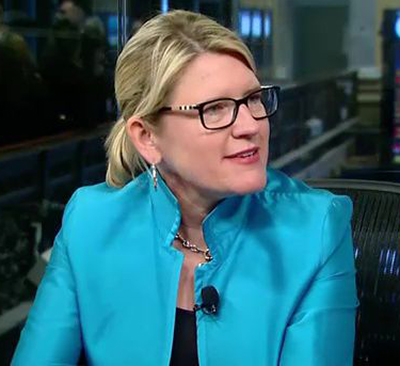
“We need to be using the time now, when [travel] volumes are relatively low, to test the systems and gain insight on which protocols are most effective,” Mara Aspinall, biomedical diagnostics professor at Arizona State University, President and CEO of the Health Catalysts Group, an investment and advisory firm, and former President/CEO of Ventana Medical Systems (now Roche Tissue Diagnostics), a billion-dollar division of Swiss pharmaceutical and diagnostics manufacturer Roche, told the Washington Post.