
New digital assessment helps lab leaders identify systemic safety gaps before serious injuries and fatalities occur.
Dark Daily’s sister publication, Lab Manager, recently reported that the National Safety Council (NSC) has launched a new digital assessment tool designed to help laboratories identify systemic safety weaknesses before they lead to serious injuries and fatalities—high-consequence events that can carry significant human and financial costs.
Called the Organization Safety Gap Analysis Tool, the platform adapts NSC’s evidence-based SIF Prevention Model into an interactive, structured evaluation tailored to complex work environments such as clinical laboratories. The initiative was developed through NSC’s Work to Zero program in partnership with the NCCCO Foundation.
For clinical laboratories that already operate on tight staffing models, the NSC tool may help identify areas for investment that will keep workers safer.
Moving Beyond Compliance to Prevent High-Severity Laboratory Incidents
Serious injuries and fatalities (SIFs) are rare but catastrophic events that result in life-altering harm or death. In laboratory settings, they can arise from chemical exposures, fires, equipment malfunctions, uncontrolled energy releases, or containment failures. Unlike minor injuries, SIFs typically emerge from organizational and system-level breakdowns rather than a single unsafe act—making them difficult to detect through conventional safety audits.
Traditional compliance reviews often focus on lagging indicators such as recordable injury rates and incident counts. While those metrics remain important, they do not necessarily reveal whether safety systems are strong enough to prevent high-severity events. The new SIF prevention tool shifts the emphasis from counting past incidents to evaluating whether leadership practices, hazard identification processes, and control systems are capable of preventing catastrophic outcomes.
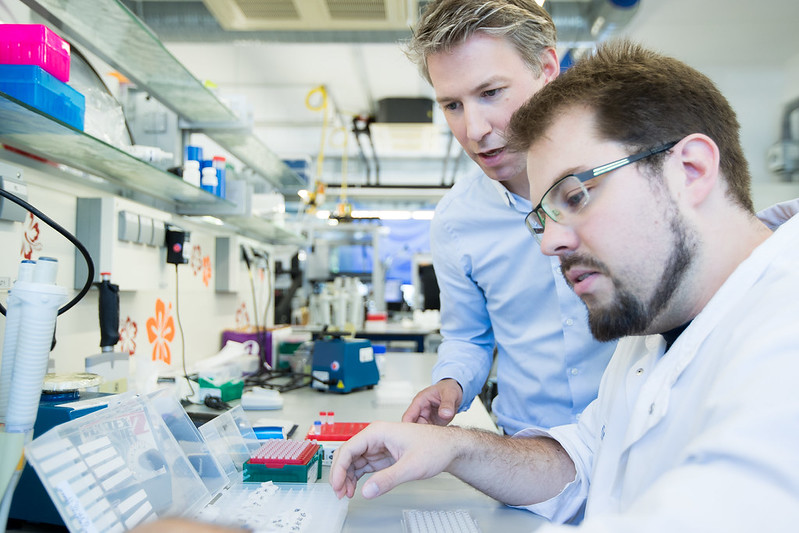
Photo credit: “Medical Laboratory” by ben.dracup is licensed under CC BY 2.0.
The digital assessment can be completed in approximately 10 to 15 minutes. Laboratory leaders respond to a series of statements using a color-coded scoring system—green for full compliance, yellow for partial compliance, and red for limited or no evidence of compliance. The platform then generates a customized summary highlighting strengths, identifying safety gaps, and offering targeted recommendations aligned with best practices.
The tool evaluates performance across seven core elements that NSC identifies as critical to preventing serious injuries and fatalities: the safety and health operating environment; management leadership; worker engagement; hazard identification and prioritization; hazard abatement and control; implementation and operation; and continuous improvement.
High-Severity Risk is a Business Risk
Together, these elements are designed to uncover systemic vulnerabilities that may not surface during routine inspections or regulatory compliance reviews.
For laboratories, the business implications extend well beyond worker safety. Clinical labs routinely handle volatile chemicals, compressed gases, biological agents, cryogenic systems, and high-energy equipment. While most facilities meet baseline regulatory requirements, catastrophic incidents often occur when multiple small failures align—failures that may go unnoticed without a structured, system-level evaluation.
A single serious event can result in operational shutdowns, regulatory scrutiny, liability exposure, reputational damage, and increased insurance costs. As accrediting bodies and regulators place greater emphasis on high-severity risk prevention, laboratory leaders are under increasing pressure to demonstrate that their safety programs are proactive, data-driven, and capable of controlling enterprise-level risk.
By benchmarking safety maturity and pinpointing gaps in leadership alignment, hazard prioritization, and control effectiveness, the SIF prevention tool offers laboratory managers a framework for more strategic decision-making. Results can inform investments in engineering controls, workforce training, operational safeguards, and internal audit processes.
As laboratory environments grow more complex and regulatory expectations continue to evolve, industry observers note that organizations can no longer rely solely on compliance-based approaches. Systematic prevention of high-consequence events is becoming a core component of sustainable laboratory operations—and a critical safeguard for both people and business continuity.
—Janette Wider